
MontagnaEstate.it Highlights the Alps as a Summer Addition to European City Trips
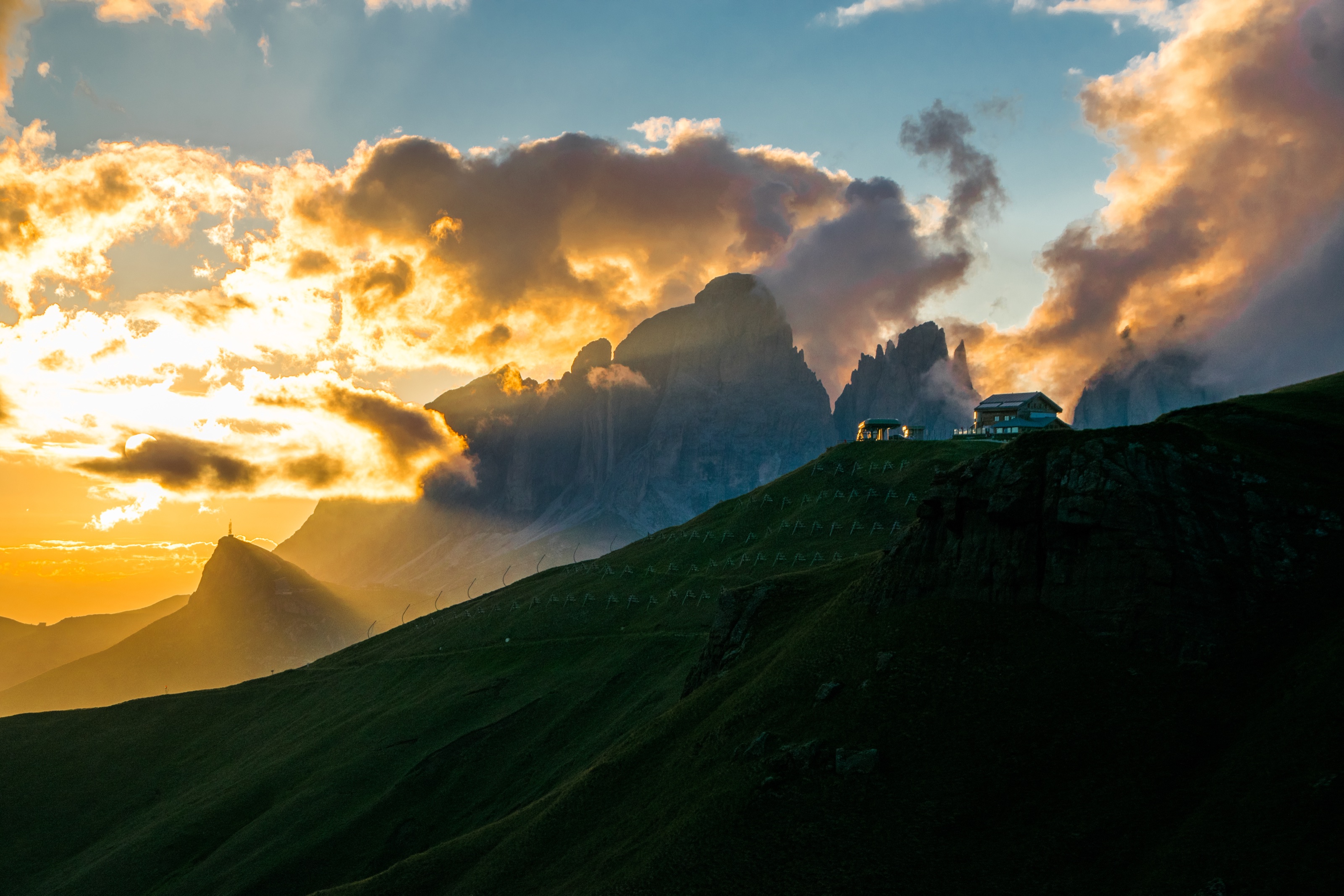
Sunset - italian mountains - dolomite alps
The portal sees interest in alpine lakes, Dolomites scenery, Swiss valleys, Austrian resorts, scenic lifts and mountain hotels.
HONG KONG , HONG KONG, July 3, 2026 /EINPresswire.com/ -- The Alps are becoming a more visible summer addition for international travellers who plan European trips and want to combine cities, culture, shopping and food with nature, mountain scenery and memorable landscapes.
MontagnaEstate.it, a multilingual portal dedicated to summer mountain tourism, observes interest in alpine destinations that can extend a classic European itinerary beyond Rome, Venice, Milan, Zurich, Lucerne, Vienna, Innsbruck or Salzburg. The appeal is not limited to one country. Italy, Switzerland and Austria all offer mountain areas that can add lakes, valleys, panoramic viewpoints, scenic lifts, mountain hotels and outdoor days to a broader trip.
For long-haul travellers, the Alps can make a European journey feel more complete. A trip that starts with museums, architecture, shopping districts, historic centres and restaurants can end with a lake surrounded by mountains, a cable car ride to a viewpoint, a walk through an alpine village or a few nights in a hotel with open views.
This is especially relevant for travellers from long-haul Asian markets, where Europe is often planned as a multi-stop journey. Italy, Switzerland and Austria are already strongly associated with culture, scenery and high-quality travel experiences. The Alps add another layer: nature, space, photography, calm and a slower rhythm after several days in major cities.
“The Alps can give a European trip a different ending,” said the founder of MontagnaEstate.it. “For travellers who already plan cities, museums, food and shopping, mountain landscapes add lakes, villages, panoramic lifts and hotel stays that feel completely different from the urban part of the journey.”
Italy remains one of the clearest entry points into this trend. The Dolomites are among the most recognisable mountain landscapes in Europe, with places such as Seceda, Lago di Braies, Val Gardena, Cortina d’Ampezzo and Alta Badia. These destinations work well for international travellers because they combine strong visual identity with hotels, villages, lifts and outdoor activities.
Seceda is one of the most powerful examples. Its mountain profile, high meadows and panoramic views make it one of the places where the Dolomites immediately feel different from city-based Italy. For travellers who want a short but memorable alpine extension, Seceda can work as a highlight without requiring an expert trekking holiday.
Lago di Braies shows the importance of alpine lakes. Lakes are easy to understand for travellers coming from far away: water, reflections, mountains and a clear visual reward. They can be added to an itinerary more easily than complex hiking routes and are especially attractive for couples, families and travellers who want nature without a demanding outdoor programme.
Tre Cime di Lavaredo represents the more iconic side of the Dolomites. The landscape is famous, powerful and widely recognisable. For travellers who want to see a landmark that clearly communicates the scale of the Alps, Tre Cime remains one of the most effective names in a summer itinerary.
Val Gardena and Alta Badia help explain why mountain bases matter. They are not only places to pass through, but areas where travellers can stay, use lifts where available, reach viewpoints, walk, dine, relax and experience mountain hospitality. For visitors coming from far away, choosing the right base can make the difference between a rushed stop and a real alpine stay.
Cortina d’Ampezzo also has strong international recognition. Its name is linked with Italian mountain style, hotels, scenery and access to famous Dolomite landscapes. For long-haul travellers who are used to planning premium European trips, Cortina can be understood as a mountain destination with identity, not only as a place on a map.
Switzerland adds a different alpine image. Areas such as Lauterbrunnen, the Jungfrau region, Zermatt, Lucerne’s mountain surroundings and other high-altitude valleys are already strongly recognised by international travellers. Switzerland offers efficient transport, mountain railways, lakes, viewpoints and villages that make the alpine experience feel structured and easy to plan.
Switzerland often represents the classic European mountain dream: clean landscapes, lakes, trains, valleys and peaks. MontagnaEstate.it sees this as complementary to the Italian Alps rather than competitive. Switzerland can provide the iconic alpine frame, while Italy adds Dolomites scenery, food, villages and a different style of mountain hospitality.
Austria also plays an important role. Destinations such as Tyrol, Innsbruck’s surrounding mountains, Zell am See, Kitzbühel, St. Anton and other alpine resorts offer a summer mountain experience built around lakes, trails, scenic lifts, villages and hotel stays. For travellers building a wider European itinerary, Austria can connect mountain scenery with cities, music, culture and road or rail movement across Central Europe.
The common element across these countries is accessibility. The Alps are no longer only for expert hikers or winter sports travellers. In summer, many destinations use lifts, cable cars, mountain railways and well-marked walking routes to make high landscapes easier to reach. This matters for long-haul visitors who want impressive views but may not want to plan a physically demanding mountain holiday.
Mountain hotels are also central to the experience. In a city, a hotel is often mainly a place to sleep. In the Alps, the hotel or village base can shape the whole trip: proximity to lifts, lakes, trails, restaurants, public transport, parking, breakfast, half-board options and wellness areas can determine whether the stay feels simple and enjoyable.
For long-haul travellers, this practical side is important. A mountain stay must be easy to understand before departure. Visitors need to know where to stay, which views are accessible, how many days to add, whether a lake or viewpoint fits the itinerary, and how the alpine part connects with cities already included in the journey
The strongest alpine destinations are therefore not only the most beautiful. They are the ones that help travellers imagine the full experience: arrival from a city, check-in at a mountain hotel, a lift to a viewpoint, time by a lake, dinner in a village, and a slower morning before continuing the European trip.
MontagnaEstate.it sees the Alps as one of the most natural ways to expand summer travel in Europe. They do not replace cities such as Rome, Milan, Zurich,
David
MontagnaEstate.it
email us here
Legal Disclaimer:
EIN Presswire provides this news content "as is" without warranty of any kind. We do not accept any responsibility or liability for the accuracy, content, images, videos, licenses, completeness, legality, or reliability of the information contained in this article. If you have any complaints or copyright issues related to this article, kindly contact the author above.
